


RELIABILITY
THE FUTURE OF IOT
RELIABILITY IS HERE


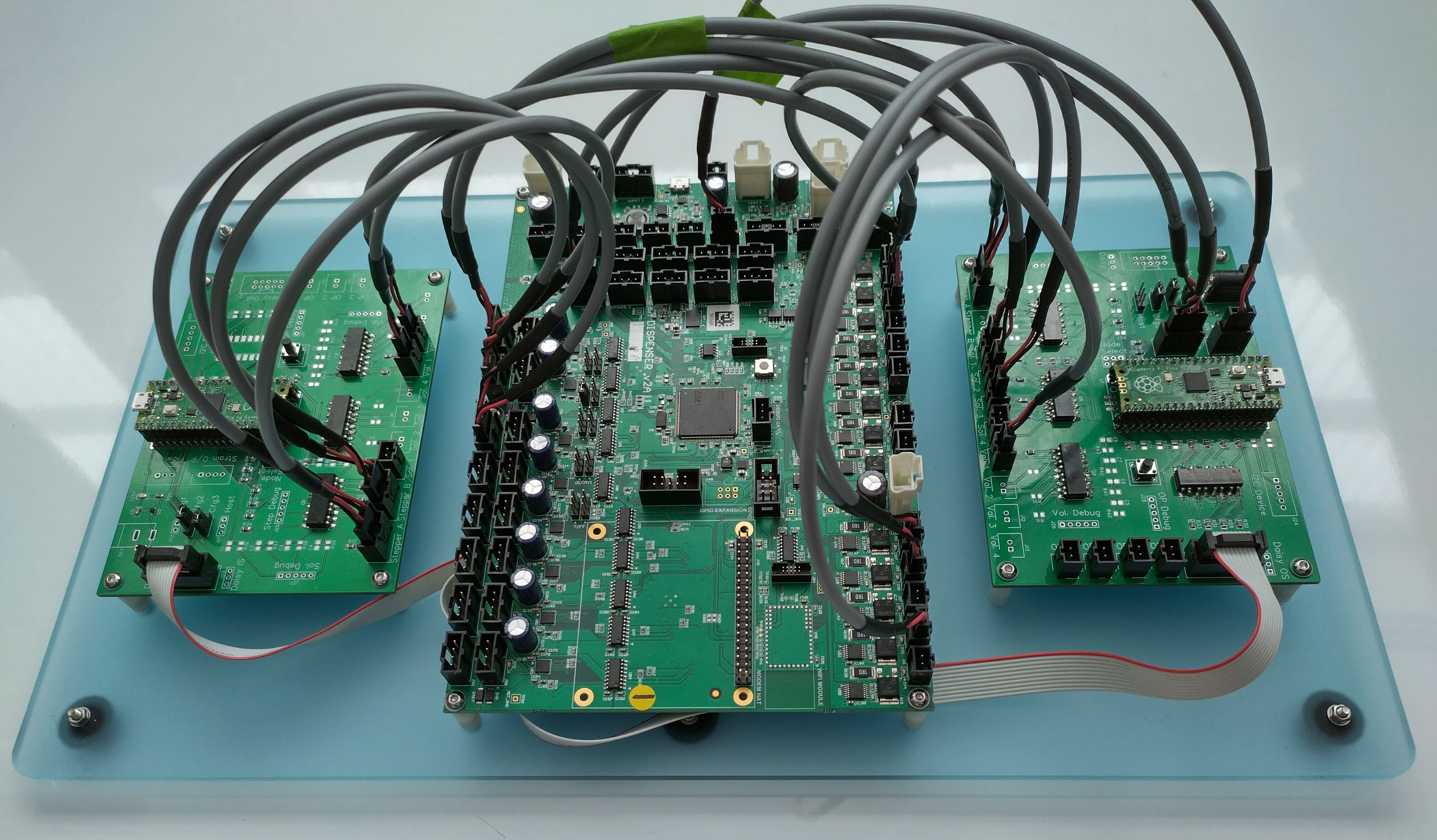
How do you ensure that your IoT device operates with intermittent connectivity to the cloud?
Intermittent cloud connectivity is a potential challenge, and it's essential to ensure that devices are equipped to address this issue. Opt for devices featuring firmware tailored for sporadic cloud connections, along with the capability to locally store data on the device when data loss is not an acceptable option.
1. Synchronise device states upon connection to the cloud
Synchronisation of devices to the cloud is a critical process that ensures IoT devices and their corresponding cloud-based services remain in perfect harmony. IoT devices, often operating intermittently and sometimes offline, need to upload collected data, update their settings, and receive crucial firmware updates when they reconnect to the internet or cloud infrastructure. This synchronisation is pivotal for maintaining data consistency, security, and ensuring a seamless user experience. It's particularly important because IoT devices can spend extended periods offline, so correctly syncing their state upon reconnecting is essential for their effective and reliable operation in the broader IoT ecosystem.
2. Use device hardware with sufficient capacity to meet your data retention requirements while disconnected
Ensuring devices have sufficient capacity to meet your data retention requirements while disconnected from the cloud underscores a fundamental principle in IoT device design. IoT devices often operate in environments where internet connectivity is intermittent or even absent for extended periods. To ensure the integrity of data and operational efficiency in such scenarios, it is crucial to equip these devices with hardware capable of storing data locally.
This local data storage capacity should align with the specific needs and retention requirements of the device. For instance, sensors might generate a substantial amount of data during offline periods, and this data must be securely stored until a connection to the cloud or network is reestablished. Adequate storage capacity not only safeguards valuable data but also enables devices to maintain functionality and performance, ensuring that they can seamlessly synchronise and transmit data to the cloud when connectivity is restored. As a result, IoT devices can provide consistent and reliable service, regardless of intermittent network access, making them highly adaptable and effective in a wide range of applications, from remote environmental monitoring to industrial automation.
3. Down sample data to reduce storage requirements and network utilisation
In addition to having sufficient hardware capacity for data retention, another key strategy for efficient IoT device operation is downsampling data to reduce storage requirements and network utilisation. Downsampling involves selectively capturing and transmitting data at a lower frequency or resolution, prioritising the most critical or relevant information while discarding or summarising less essential data. This approach helps optimise the use of limited resources on IoT devices, conserving both storage space and network bandwidth. By downsampling, IoT devices can strike a balance between data accuracy and resource efficiency, particularly when faced with bandwidth constraints or power limitations. This not only extends the device's operational lifespan but also minimises the operational costs associated with data transmission and storage, making IoT deployments more cost-effective and sustainable in the long run.
4. Use an exponential backoff with jitter and retry logic to connect remote devices to the cloud
When it comes to connecting remote IoT devices to the cloud, employing an exponential backoff with jitter and retry logic is a critical strategy for ensuring reliable and efficient communication.
Exponential backoff involves progressively increasing the time interval between connection attempts in case of a failure, thereby preventing network congestion and reducing the load on the cloud infrastructure. Jitter, in this context, adds an element of randomness to these intervals, preventing devices from repeatedly trying to reconnect at the same time, which could lead to contention issues.
Retry logic complements this approach by providing a predetermined number of reconnection attempts before taking alternative actions, such as reporting an error or adjusting device behaviour. This combination of strategies ensures that remote IoT devices can effectively navigate unstable or congested network conditions, increasing the likelihood of successful connection to the cloud while minimising unnecessary resource consumption. It's a crucial component in maintaining the resilience and efficiency of IoT networks, especially in scenarios where network reliability can vary or be adversely affected by environmental factors.