


INDUSTRY & MANUFACTURING
Using Cloud to Drive Manufacturing Forward


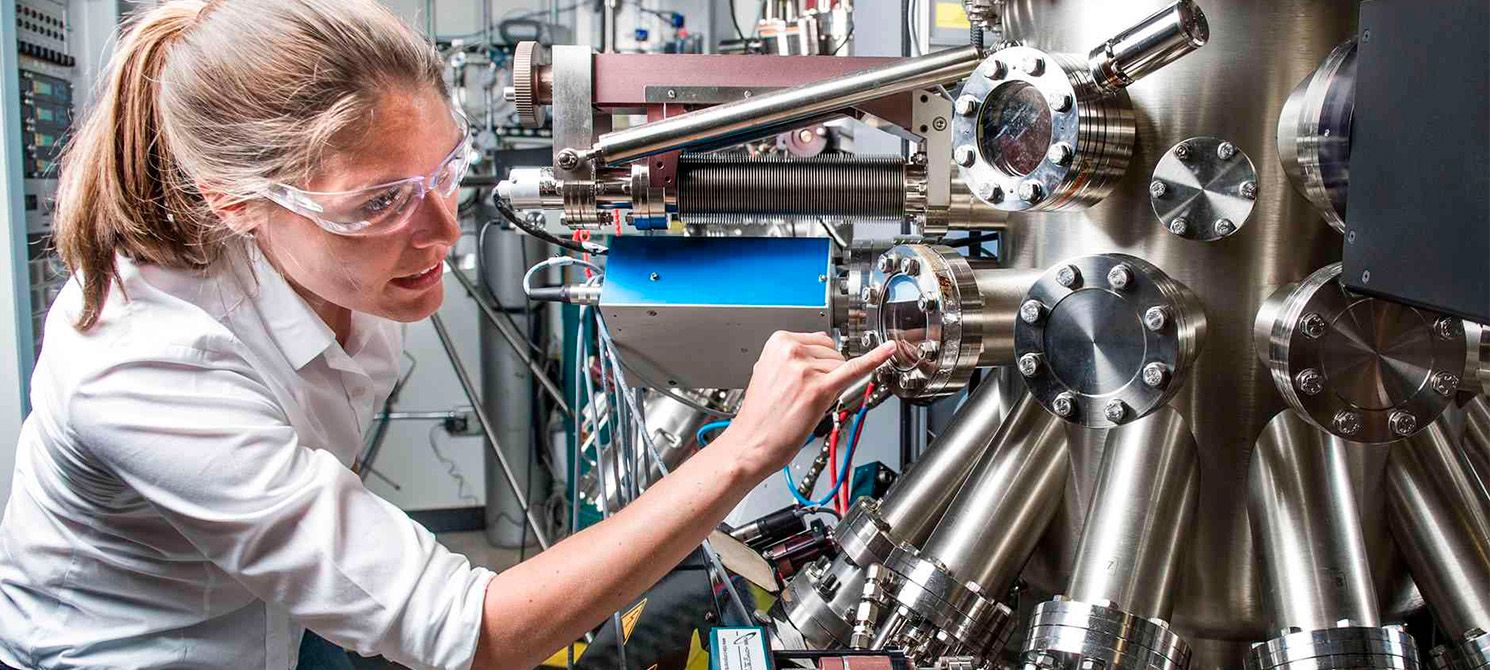


To satisfy ever more demanding customers, it is essential for manufacturers to have greater visibility across supply, quality and production, and be able to adapt quickly to changing market conditions.
We work closely with our clients to transform production to save cost through efficiency improvements, reduced downtime, reduced repair costs, lower energy and lower resource consumption - ultimately saving cost and delivering better solutions for their customers. Our clients include manufacturing equipment manufacturers who we help deliver digitally connected products, helping their customers improve reliability with minimal downtime and repair costs, and allow consumable parts to be received before they are needed.
Manufacturing is also evolving from connected monitoring to Physical AI, where intelligent systems sense, decide, and act in real world environments. Explore how Physical AI is shaping smarter operations.
Customer Success

"Great business and team to work with. Straightforward & easy to do business with. The team always explain everything in a good level of detail so that relevant stakeholders understand what's happening. GC also works at a speed that is suitable for our business.”
- Tim Copping, Head of Operational Technology, Breedon Group

"Instead of just rolling out the next product update, we have completely changed how the developers and product managers work, and we've changed the management decisions around what the business will look like in the future."
- Chris Shelley, COO, ENVEA
Our Services
Smart Industry Service Path
Transform your industrial machines into intelligent, revenue-generating services. We help manufacturers shift from one-off equipment sales to scalable, IoT-enabled subscription models.


Smart Asset Tracking Accelerator
Real-time location and status of assets drives worker efficiencies and maximises utilisation.

Digital Value Realisation Blueprint
Unlock the true ROI of digital transformation by aligning digital ambition with measurable value and board-ready justification.

Smart Maintenance Starter Kit
Identify equipment failures before they happen - reduce downtime and unlock data-driven maintenance.

IoT Modernisation Blueprint
Transform your legacy systems into a future-ready IoT platform with AWS — purpose-built for growth and aligned to industry best practices.

Gen AI Strategic Assessment
Turn AI complexity into competitive advantage with our 4-week Gen AI Strategic Assessment.

Gen AI Support Starter Kit
Transform customer service with proactive, Gen AI-driven support - reduce cost & increase satisfaction.
User Cases
Sustainability – Energy Optimisation and Sustainability
Most manufacturers see total energy spend but lack machine level visibility. This makes it difficult to identify peak load drivers, utility waste, or differences between shifts, lines, and sites.
By monitoring energy at asset level and linking it to production data, you can benchmark energy per unit produced and expose hidden inefficiencies. The result is lower energy cost, reduced waste, and automated, audit ready data to support sustainability and ESG reporting.
Smart Manufacturing – Computer Vision for Quality Insights
Manual inspection is inconsistent and difficult to scale. Subtle defects are often missed until late in the process or after delivery.
Automated vision provides continuous, objective inspection at key control points. You can detect defects earlier, reduce scrap and rework, and build a visual audit trail. Over time, defect trends support stronger root cause analysis and process improvement.
Smart Manufacturing – Predictive Quality
Quality issues frequently originate upstream, from material variation, environmental factors, or machine settings. Traditional QA detects problems too late, when value has already been added.
By correlating in process data with final quality outcomes, you can identify early warning indicators and act before batches fail. This reduces scrap, protects margin, and shifts quality from reactive inspection to proactive control.
Smart Manufacturing – Connected Worker
Operators often rely on paper SOPs and siloed knowledge. Training is inconsistent and issue resolution can be slow.
A connected worker approach digitises standard work and enables real time reporting and guidance. Teams gain access to up to date procedures and remote support, improving first time fix rates, reducing downtime, and accelerating onboarding.
Supply Chain Management – Demand Based Driver Planning
Fixed routes and manually adjusted schedules struggle to keep pace with changing demand or production delays. This leads to unnecessary miles, poor vehicle utilisation, and late deliveries.
By aligning transport planning with real time demand and production readiness, you can optimise loads and routes dynamically. This reduces fuel cost, improves on time delivery, and supports a more efficient and sustainable supply chain.
Read some of our related case studies:




OTHER INDUSTRIES THAT WE SUPPORT
INDUSTRY & MANUFACTURING
Using cloud to drive manufacturing forward.
Read more
ENERGY & UTILITIES
Using cloud to ensure delivery of services and utilities.
Read more
HEALTHCARE & LIFE SCIENCES
Using cloud to to deliver digitized healthcare services
Read more
Start-Ups
Helping start-ups across Europe turn bold ideas into working IoT products using AWS.
Read more
CONSUMER GOODS
Using cloud to delight customers with new experiences
Read more
SUSTAINABILITY
Delivering sustainable transformation with IoT
Read more